St88a.com Football Guide: Analyzing Second-Phase Corner Attacks
Analyzing second-phase corner attacks requires a structured approach to reading the game, positioning, and decision-making. This guide breaks down the process into actionable steps, starting with foundational rules, followed by real-world examples, and ending with a checklist to refine your analysis skills. Whether you’re a coach or a player, understanding these dynamics can enhance your team’s defensive and offensive efficiency during set pieces.
Understanding the Mechanics of Second-Phase Corner Kicks
A second-phase corner attack occurs when the initial set piece fails to create a goal-scoring chance. The ball is cleared or blocked, and the team retains possession at the opposite end of the field. This scenario demands quick transitions and spatial awareness. To analyze it effectively, begin by identifying three core principles:
- Zone Responsibility: Assign markers for every player in the 18-yard box and track their movement to avoid gaps.
- Transition Speed: Measure how quickly the defending team repositions after the initial corner.
- Ball Retention Strategy: Observe whether the team chooses to take a long pass, recycle the ball, or execute a counterattack.
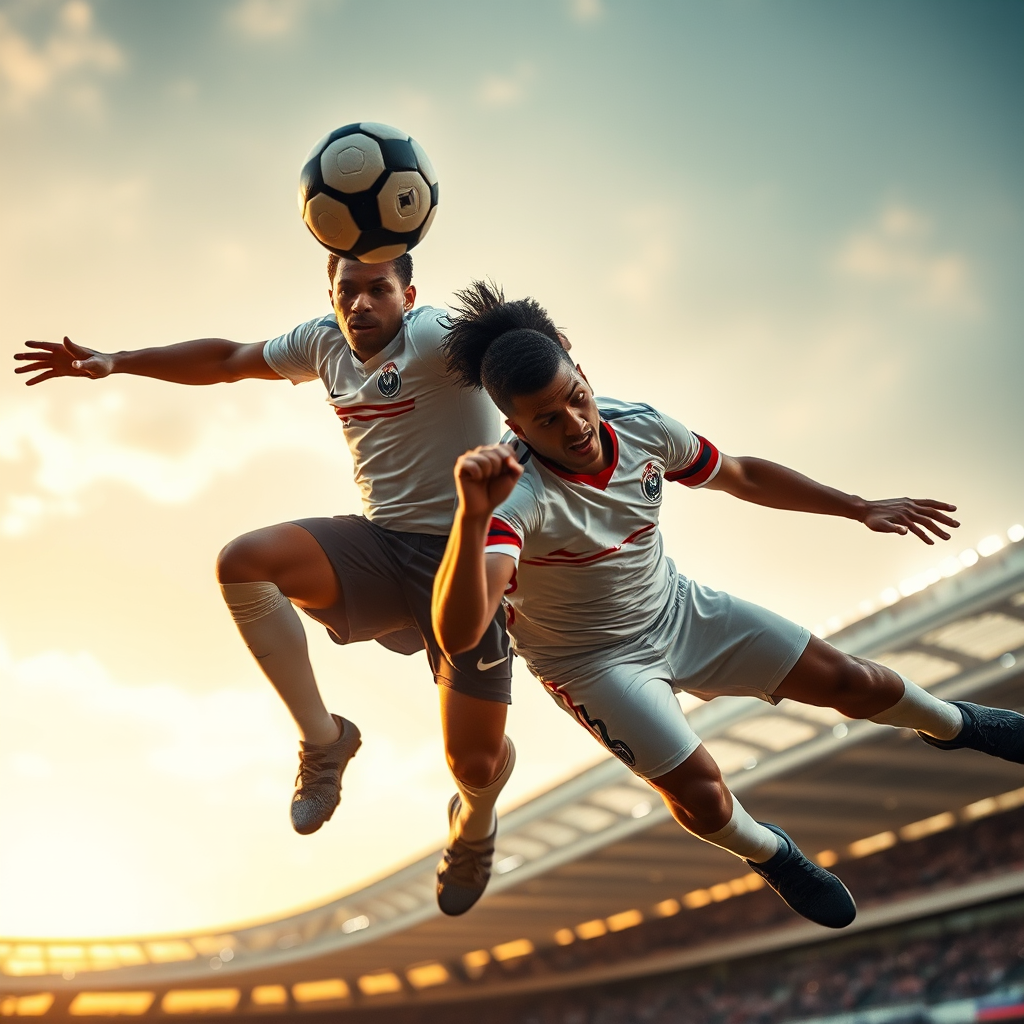 Hình minh hoạ: st88
Step-by-Step Breakdown of the Analytical Process
- Video Review and Setup: Use match footage to isolate moments where the team enters the second phase. Note the scoreline, player positions, and tactical formations.
- Player Behavior Analysis: Identify patterns in how defenders close down second-phase opportunities. For example, does the center-back always move to a central marker, or does he drop deeper to block crosses?
- Opponent Reaction Assessment: Evaluate how the opposing team applies pressure. Do they commit forwards to disrupt the build-up, or do they maintain a compact block?
- Decision-Making Evaluation: Critique the decisions made by the player in possession. Was a short pass into the box safe, or would a long diagonal ball have been more effective?
- Adjustment Planning: Based on your findings, outline specific adjustments. For example, instruct wingers to delay their run into the box if an opponent’s full-back is pressing aggressively.

Common Scenarios and Tactical Examples
| Scenario | Tactical Action | Outcome |
|---|---|---|
| Opponent closes the center quickly after the first corner | Target the second-phase corner kick to a wide area to stretch the defense | Free space for a winger to deliver a cross into the box |
| Second-phase ball is cleared to midfield | Trigger a quick counterattack by overloading one side of the field | Creates a 2v1 situation near the 18-yard line |

Mistakes to Avoid in Second-Phase Analysis
Common errors in analyzing second-phase corners include overemphasizing isolated moments without considering the broader match context. Here are three pitfalls to avoid:
- Neglecting Player Fatigue: Overlooking how physical exhaustion impacts decision-making during transitions. For example, a tired full-back may be slower to recover after an initial corner.
- Ignoring Set-Piece Routines: Some teams script second-phase actions. Failing to recognize these patterns can lead to misinterpretations of player intent.
- Biased Sample Sizes: Drawing conclusions from a single match or small dataset. Analyze multiple games to identify recurring strengths or weaknesses.
Checklist for Effective Second-Phase Corner Analysis
- Pre-Game Preparation: Gather footage of the opponent’s recent 10 games, focusing on second-phase set pieces.
- In-Game Adjustments: Track real-time substitutions and how they affect defensive organization during transitions.
- Post-Game Review: Use heatmaps to visualize where the team regains possession during second-phase scenarios.
- Player Communication: Share key insights with defenders and midfielders to improve positioning and marking strategies.
Advanced Considerations for Coaches
For deeper analysis, consider integrating data from tracking software to measure player movement speed and coverage gaps. For example, tools like GPS vests can highlight whether a defender lags during second-phase transitions. Additionally, use split-screen comparisons of multiple teams to benchmark tactical approaches. For the full breakdown of tools and methodologies, visit st88.
Final Verdict and Conditional Recommendations
Mastering second-phase corner analysis hinges on consistent practice, detailed observation, and adaptability. If your team consistently struggles to regain control after an initial corner, prioritize drills that simulate rapid transitions. However, if your opponents’ second-phase strategies are unpredictable, focus on enhancing defensive flexibility and communication. With these steps, you can turn a potential liability into a strategic advantage. The latest updates are available at https://st88a.com/.